Visit the Belém Tower
in Lisbon
- Closed on Mondays
- Max capacity: 120 people
- UNESCO World Heritage Site
- View current availability
- Ticket delivered immediately after validation
- Mobile ticket accepted
- Non-refundable ticket under the listed conditions
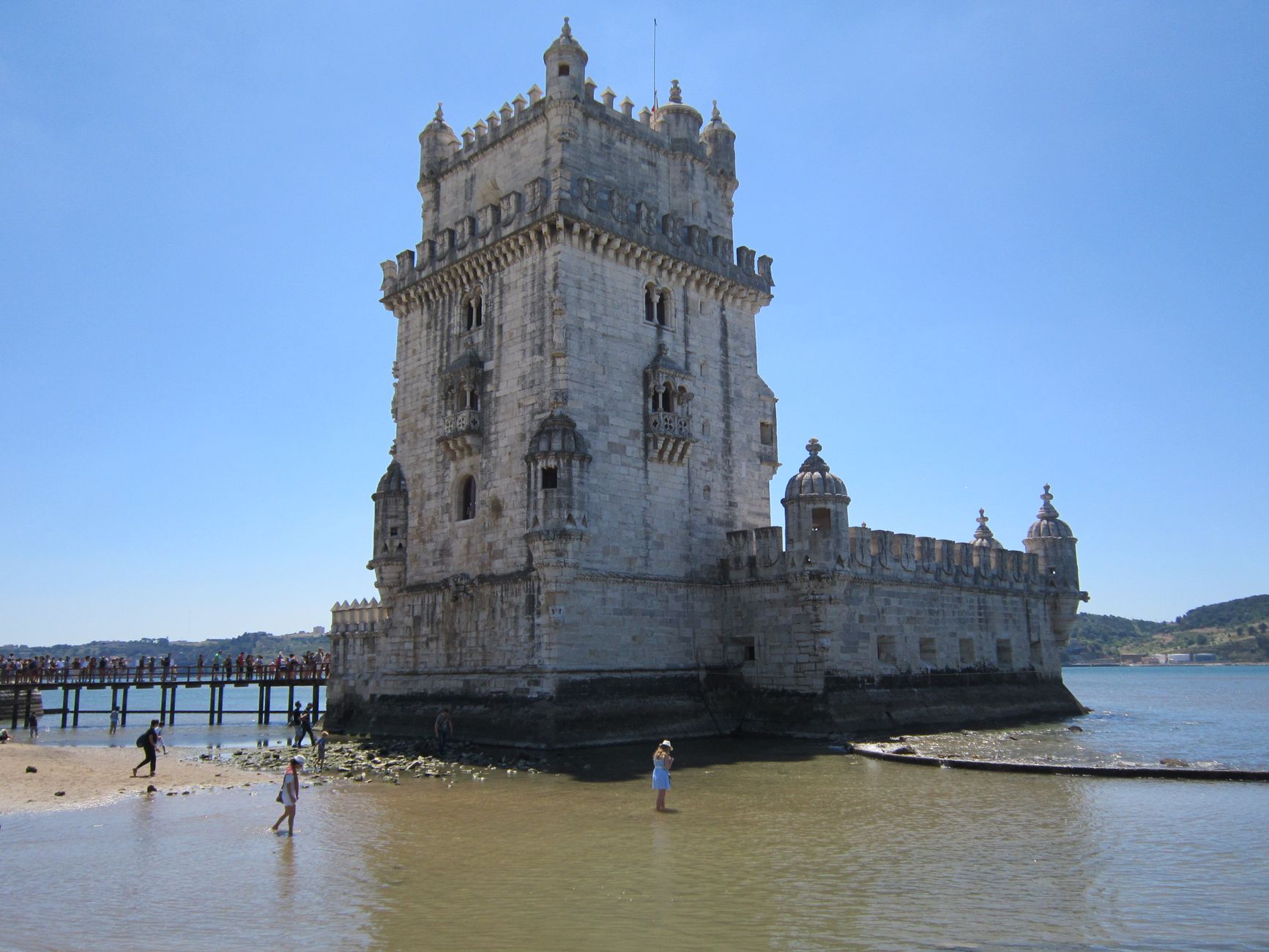
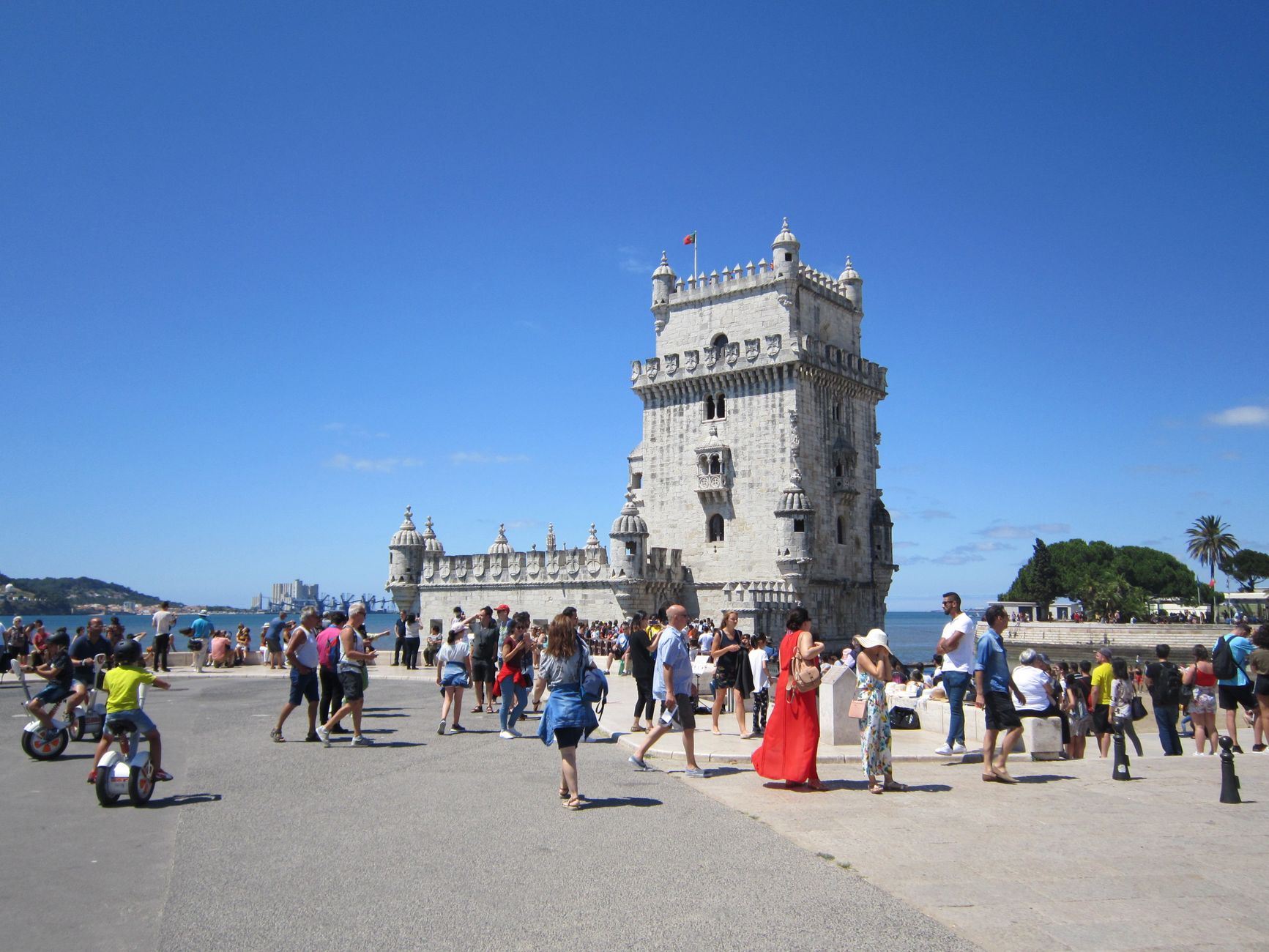
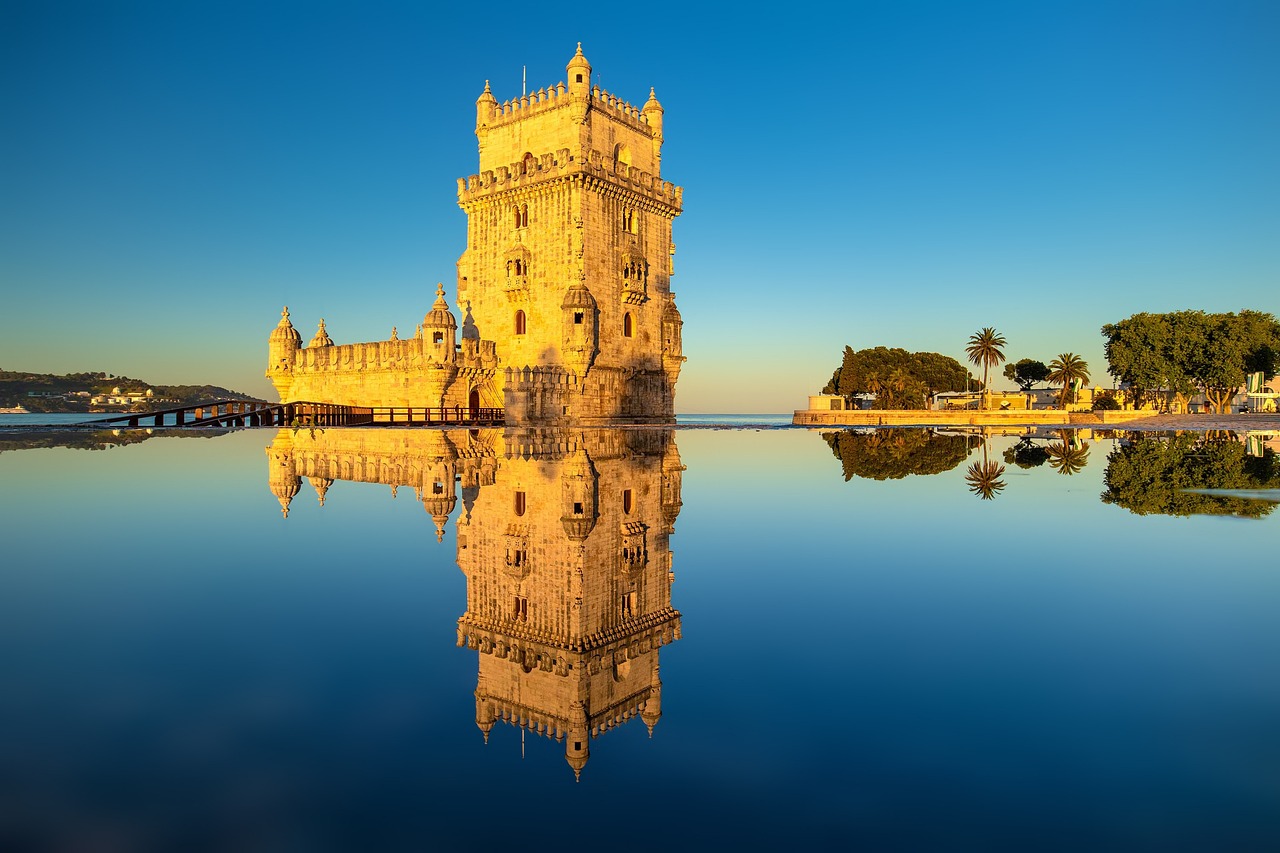
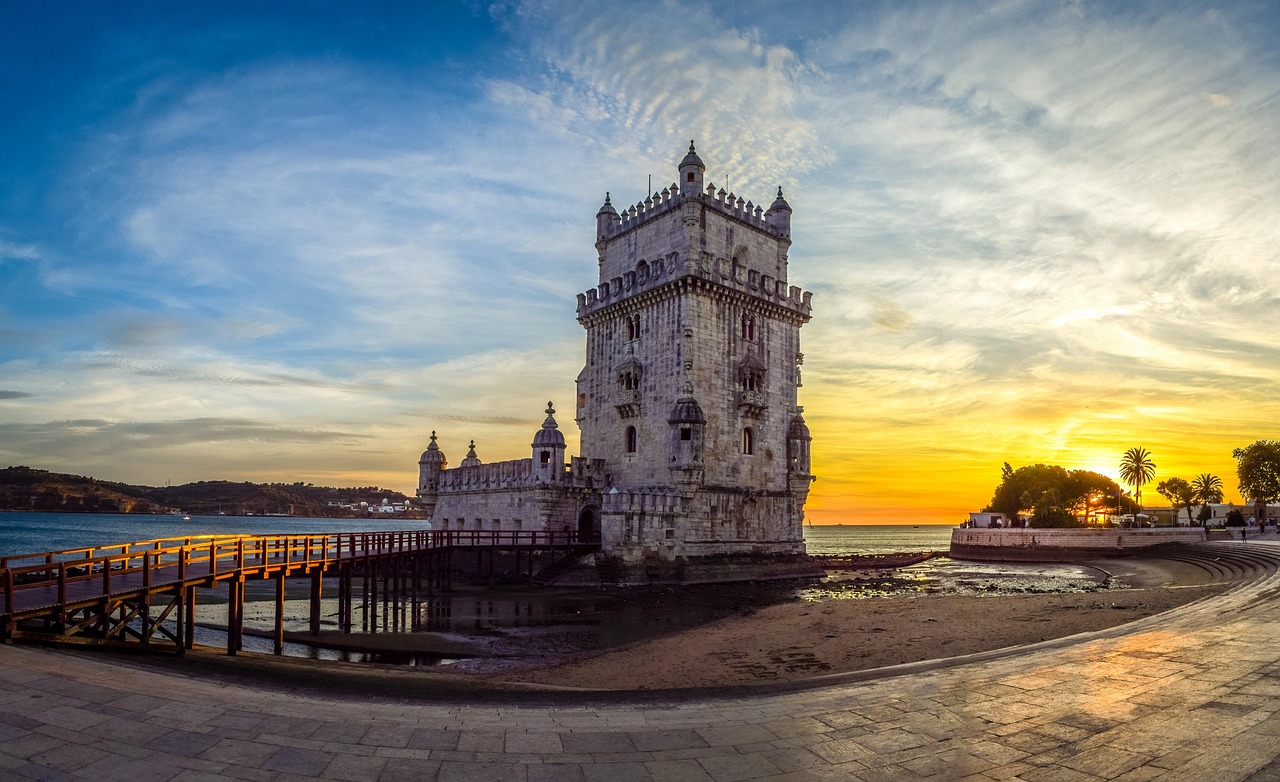
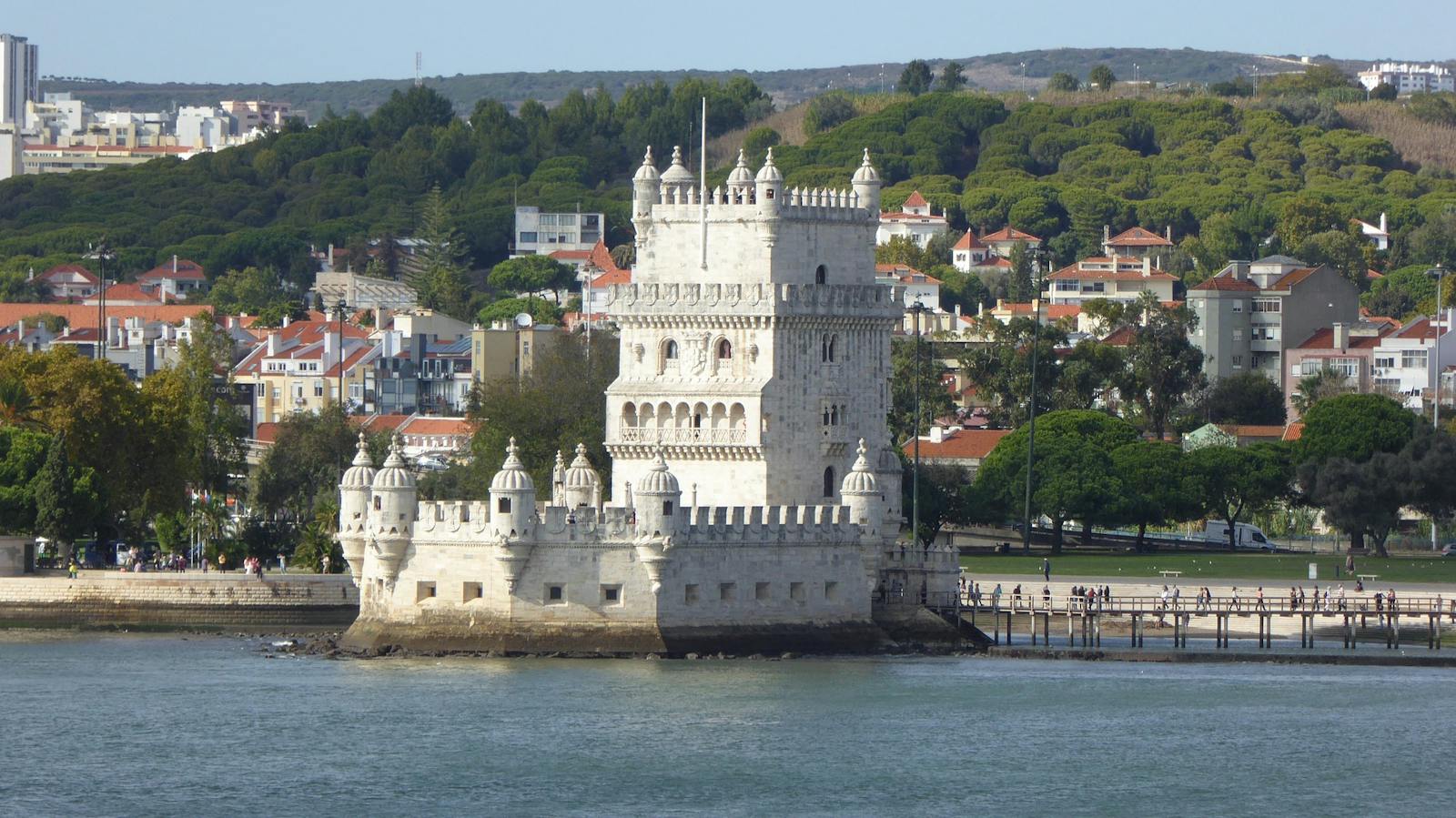
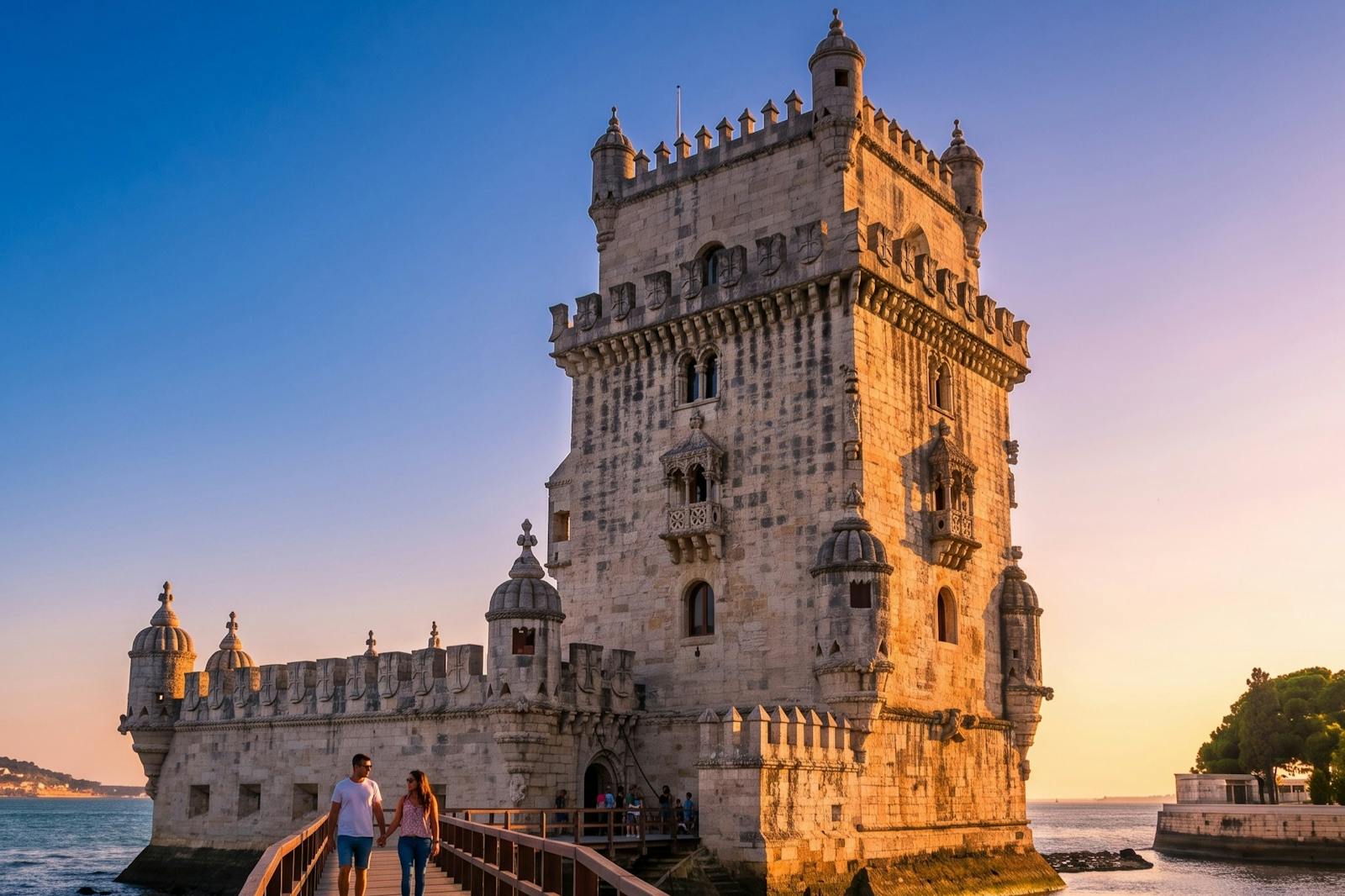
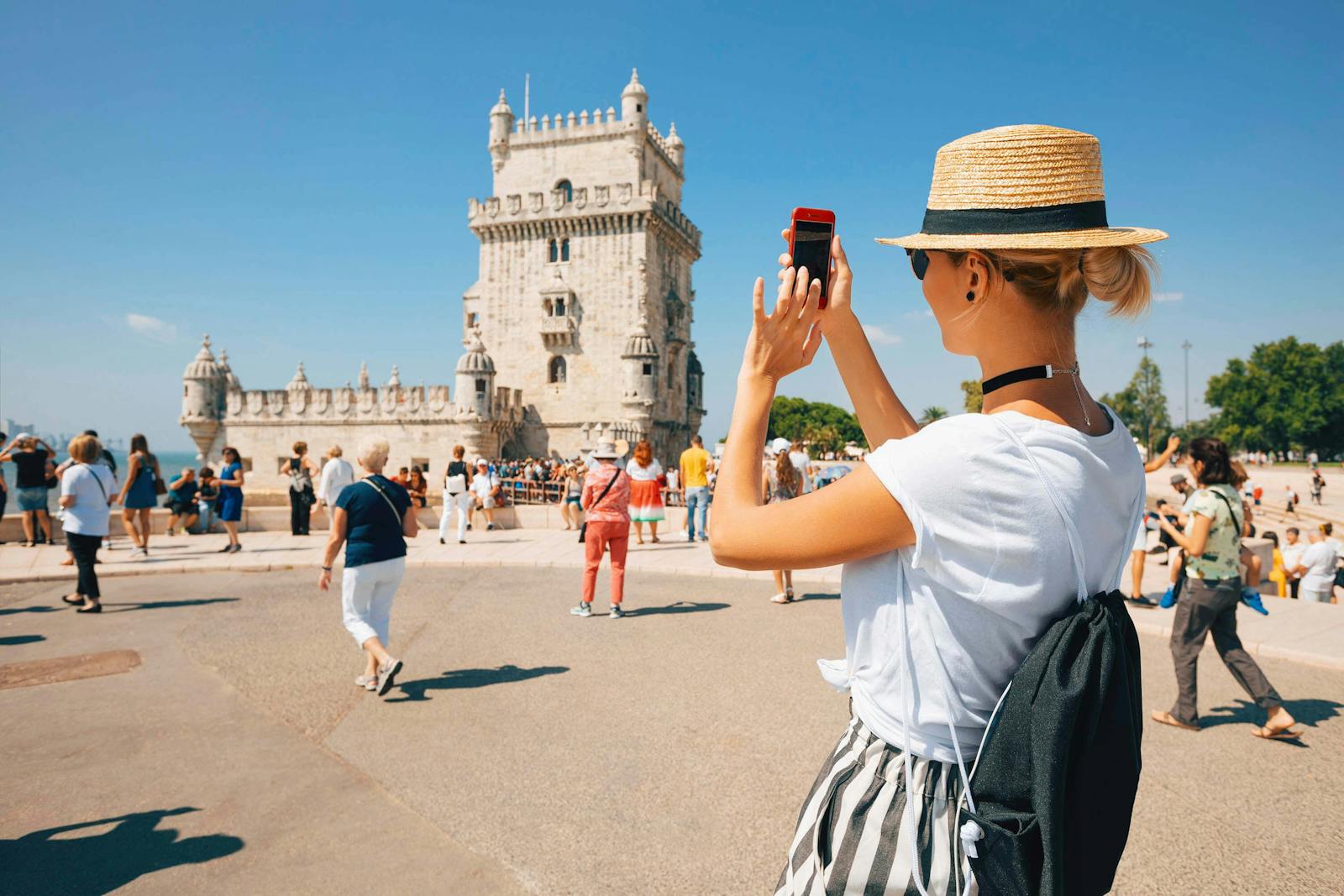
Built between 1514 and 1519, the Belém Tower embodies Manueline style on the banks of the Tagus. Designed by Francisco de Arruda to guard the port entrance, its limited capacity of 120 visitors requires a timed reservation to avoid waiting in the narrow spiral staircase.
Tickets for the Belém Tower
Fees and booking conditions

Belém Tower: Entry Ticket
From 15 €.
Explore Lisbon's iconic riverside wonder that stands guard over Lisbon.

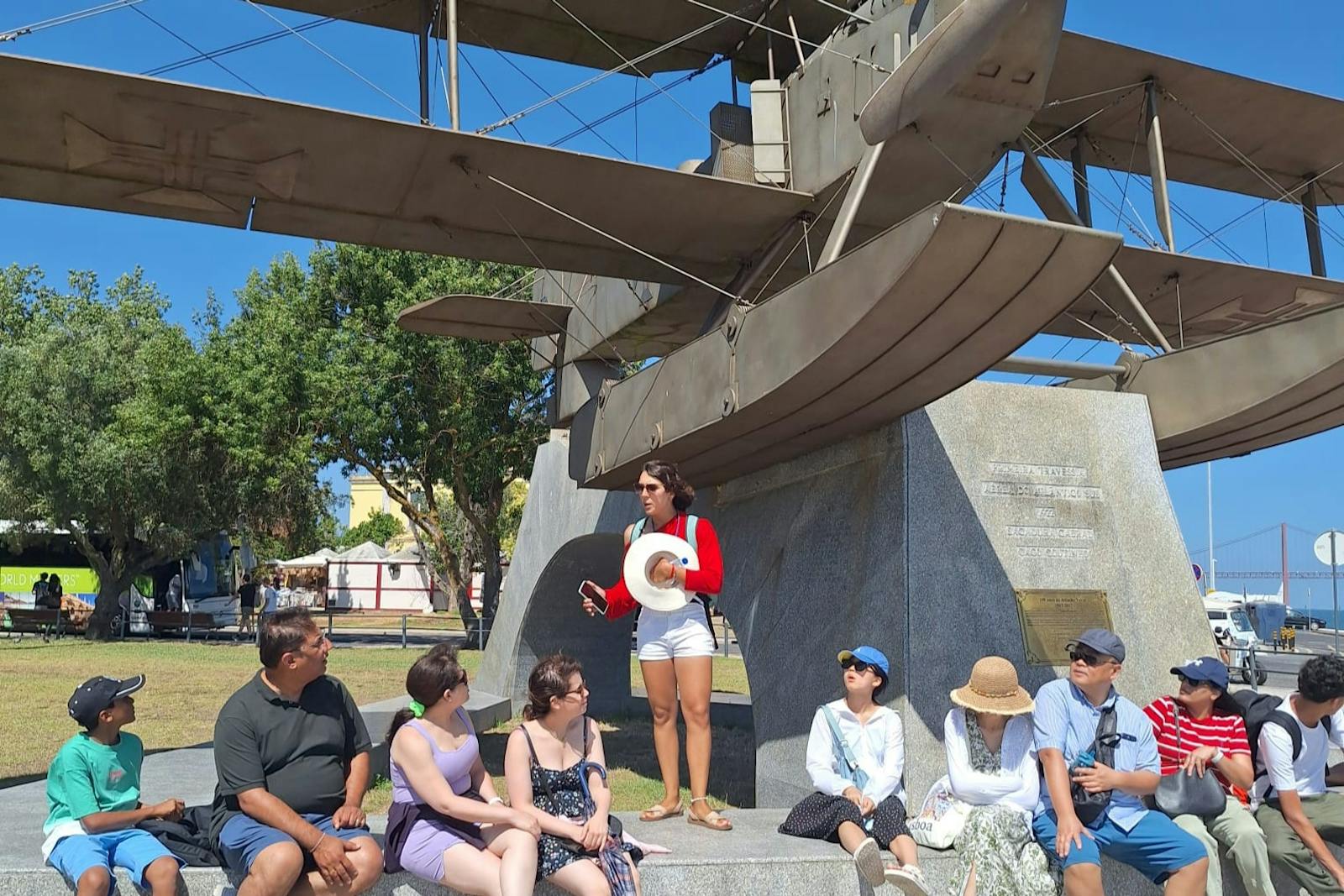
Belém Tower: Guided Tour
From 32 €.
Learn about Portugal's seafaring golden age and colonial empire.

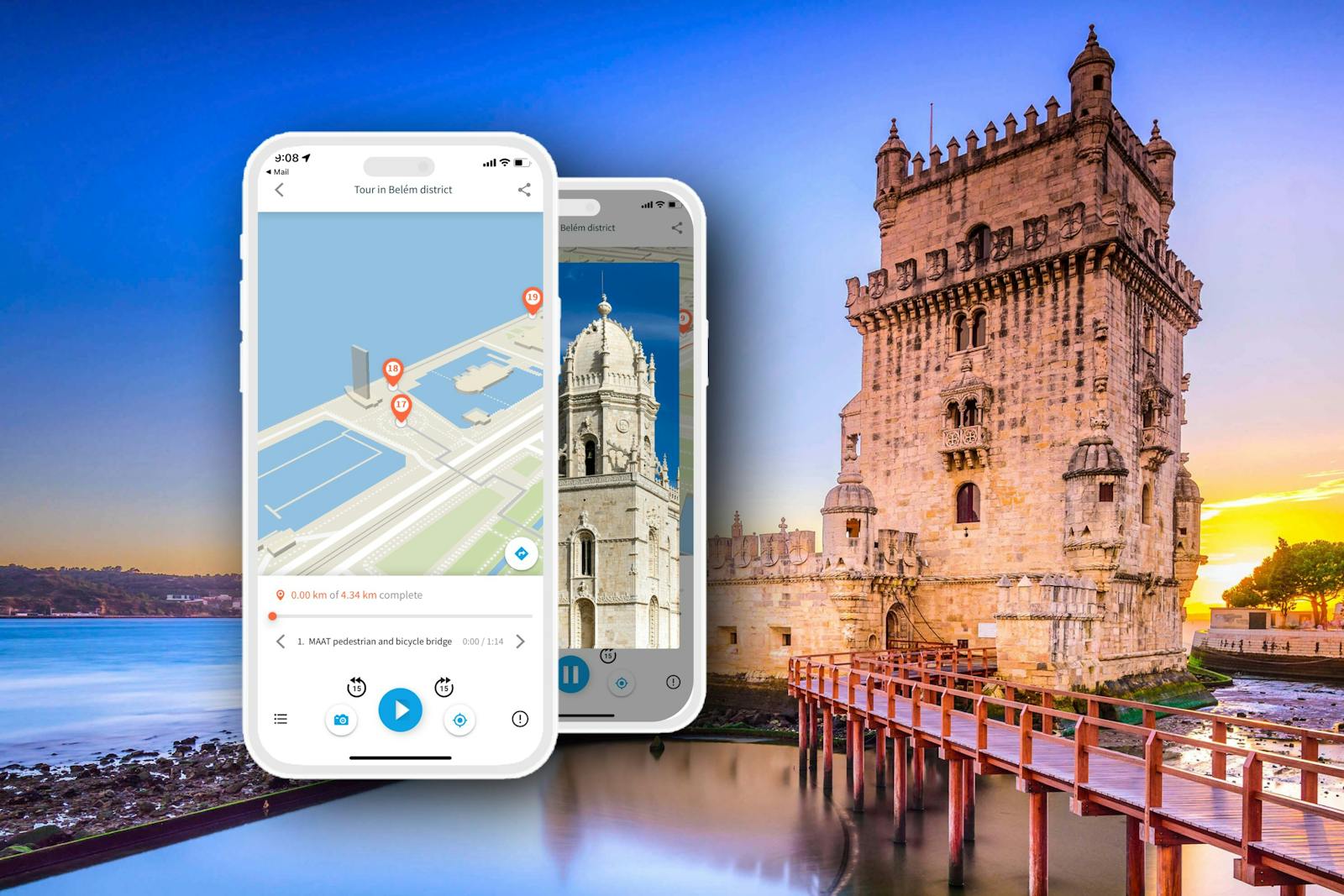
Audio Guide App to Belem District of Lisbon by TouringBee
From 9,99 €.
Explore monuments like Belem Tower and Jeronimos Monastery with an audio guide.
What visitors say
Thousands of visitors have already booked their visit: reviews and testimonials
★ 4.3/5 · 12 reviews collected directly from visitors and moderated by Visit Tickets
"We visited the Belém Tower with a timed ticket, avoiding long lines. The spiral staircase climb is narrow, but the panorama over the Tagus at sunset is unforgettable. A must-see to combine with the Hieronymites."
"The exterior is magnificent, typical of the Manueline style. The interior is darker and the stairs are steep, but the view from the top is worth the effort. Wear comfortable shoes to climb the narrow steps of this fortress."
"As a solo traveler, I enjoyed the tranquility in the late afternoon. Natural light perfectly illuminates the white facades. The price of €15 is very reasonable for a UNESCO site like Belém Tower, offering a rich historical experience."
"The unshaded queue was exhausting before we even entered. Once inside, space is limited (max 120 people) and it gets a bit crowded in the spiral staircase. However, the view of the harbor more than justifies the physical effort required."
"An architectural masterpiece! The bartizans show a beautiful Moorish influence. We booked our slot online, which allowed us to avoid the crowd. Proximity to the Hieronymites Monastery makes the visit smooth and complete."
"I was afraid the interior would be disappointing after the beauty of the exterior, but it’s quite the opposite: discovering the cells flooded in the past is fascinating. The traffic light system regulating access helps streamline progress through the staircase."
"With my kids, we followed the advice to come in a small group to better manage the spiral staircase. It was fun for them to discover the history of the Portuguese explorers. The Belém Tower remains an absolute gem of Lisbon; a photo is a must!"
"We arrived too late and the wait was painful under the sun. The interior is dark and the explanations are brief. Despite its UNESCO status, the experience lacks depth for the price paid. Be sure to book early to avoid frustration."
"A perfect stop during our river cruise. The defensive structure built between 1514 and 1519 inspires true respect. The view of the Tagus from the ramparts is breathtaking. Remember to use the audio guide to better understand the site's history."
"The site is superb, but note that it is closed on Mondays! We were there on a Saturday morning; the crowd was dense but manageable thanks to time slots. The morning light is soft, ideal for photos of the fortress's sculpted details."
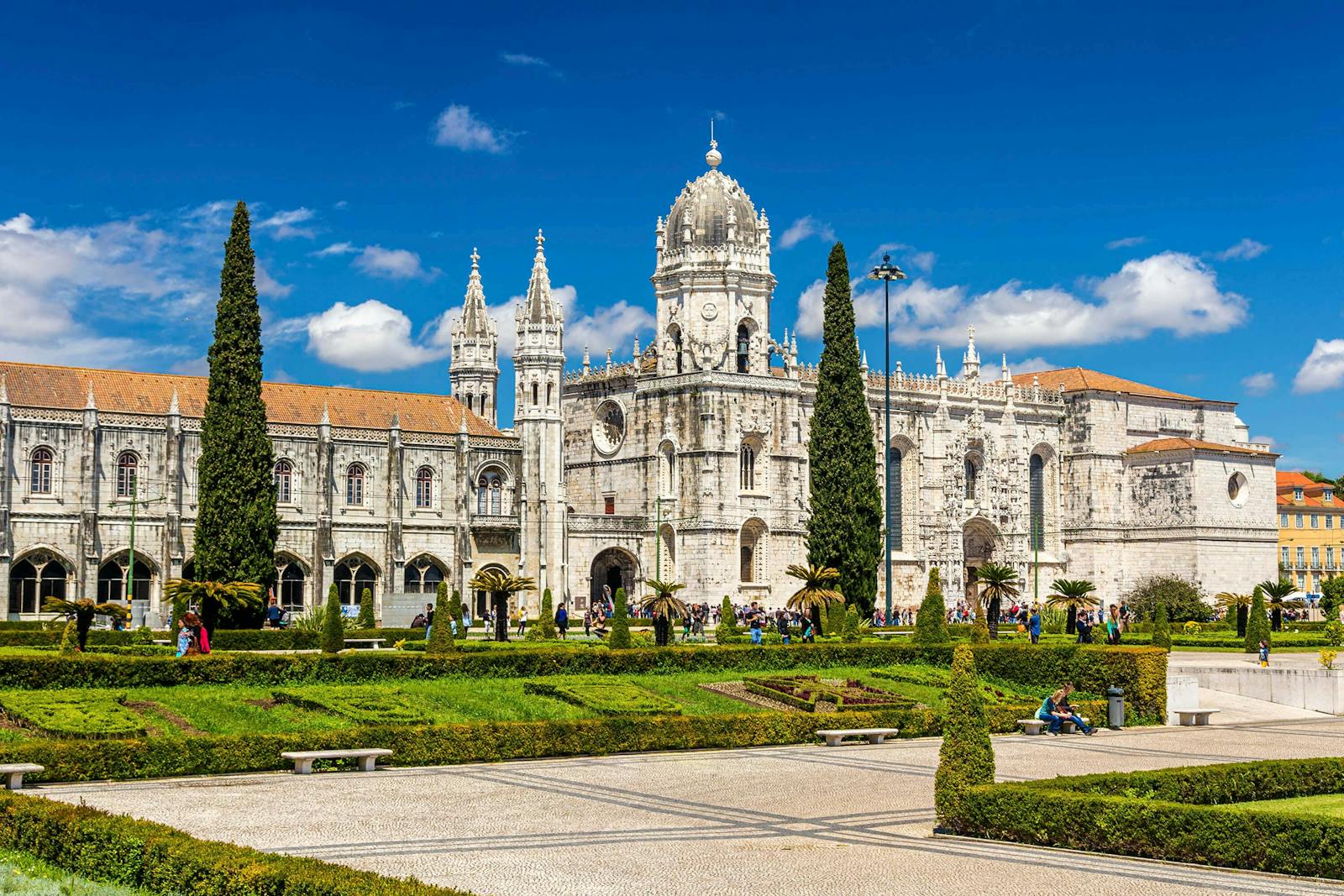
"I loved combining this visit with the Jerónimos Monastery, located just steps away. The Manueline architecture is of rare finesse. The fact that it was once a floodable prison adds an interesting dramatic dimension to the walk along the banks of the Tagus."
"The atmosphere is truly unique, making you feel transported back to the age of great discoveries. The staircase is physically demanding, especially for seniors, but the visual reward at the top is total. The price of 15 euros seems fair for this world heritage site."
Practical info
Everything you need to plan your visit
Address
1400-038 Lisbon, Portugal
Lisboa
Freguesia de Santa Maria de Belém · Tram: line 15 (Belém stop) or line 28. Bus: lines 720, 728, 750.
Opening Hours
Closed on Mondays. Hours vary by season; check the official website before your visit for the exact time slot.
Prices
Belém Tower: Guided Tour : From 32 €
Audio Guide App to Belem District of Lisbon by TouringBee : From 9,99 €
Show more ▾
Free child entry depending on age (check variants).
Visit Duration
Photos
Audience
Accessibility
PMR
Access is limited due to the absence of an elevator and the narrowness of the spiral staircase.
Family
Recommended for children over 6 years old who can manage narrow steps.
Audio guide
Portuguese, English, French, Spanish
Weather in Lisbon
Current conditions and forecast to plan your visit
Discover Belém Tower
A fortress from the Age of Discoveries
Inscribed on the UNESCO World Heritage List since 1983.
1514-1519
Construction period
120 pers.
Max indoor capacity
1983
UNESCO inscription
15 €
Indicative ticket price
Located in the freguesia of Santa Maria de Belém, this tower guarded the entrance to the Port of Lisbon between 1514 and 1519. Built by Francisco de Arruda for King Manuel I, it blends Renaissance and Moorish influences. The visit requires passing through a spiral staircase, regulated by traffic lights due to the strict limit of 120 simultaneous visitors.
History and architecture of the Belém Tower
Built between 1514 and 1519 under the reign of King Manuel I, the tower served as a departure point for Portuguese explorers heading to India and China. Architect Francisco de Arruda designed this citadel to house port captains and protect the mouth of the Tagus. Its unique Manueline style combines elements of Italian Renaissance with decorative motifs inspired by Moorish art.
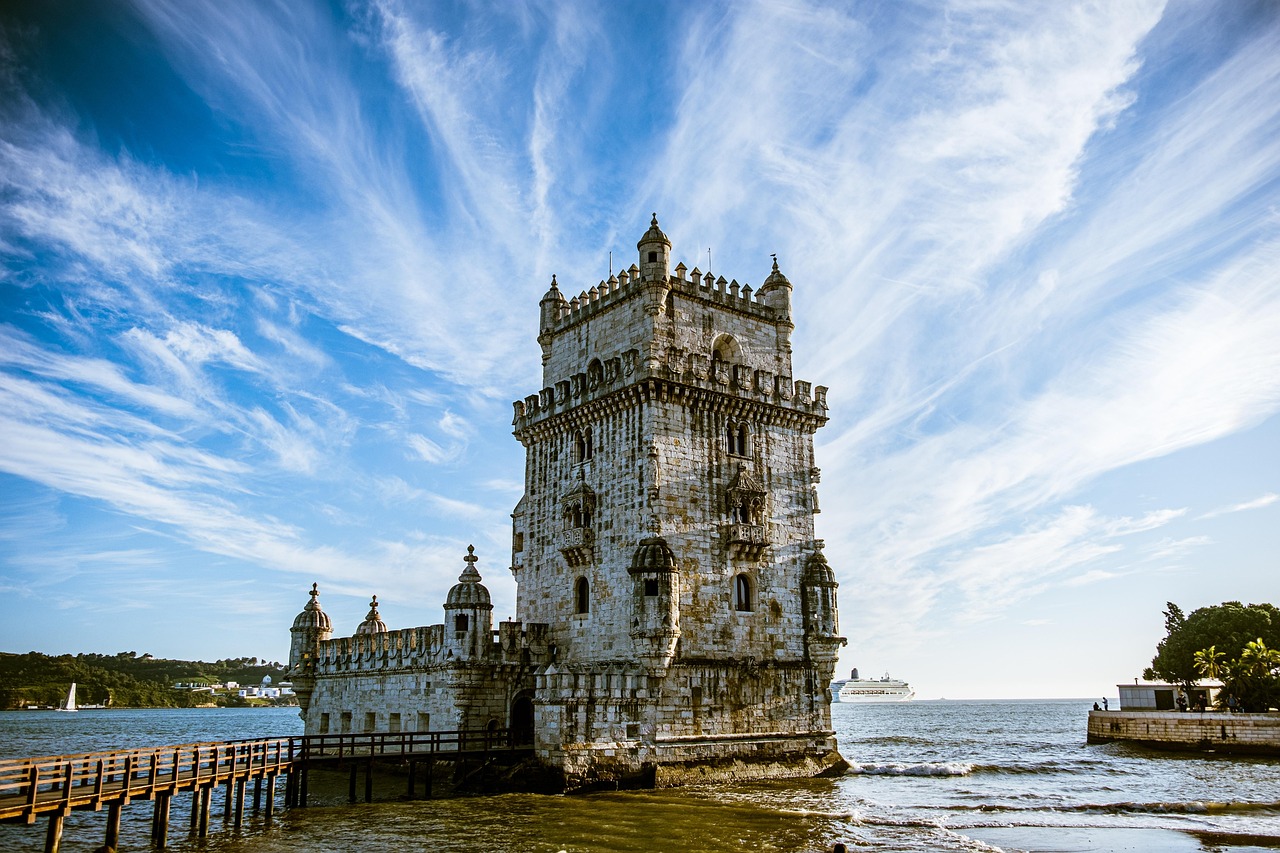
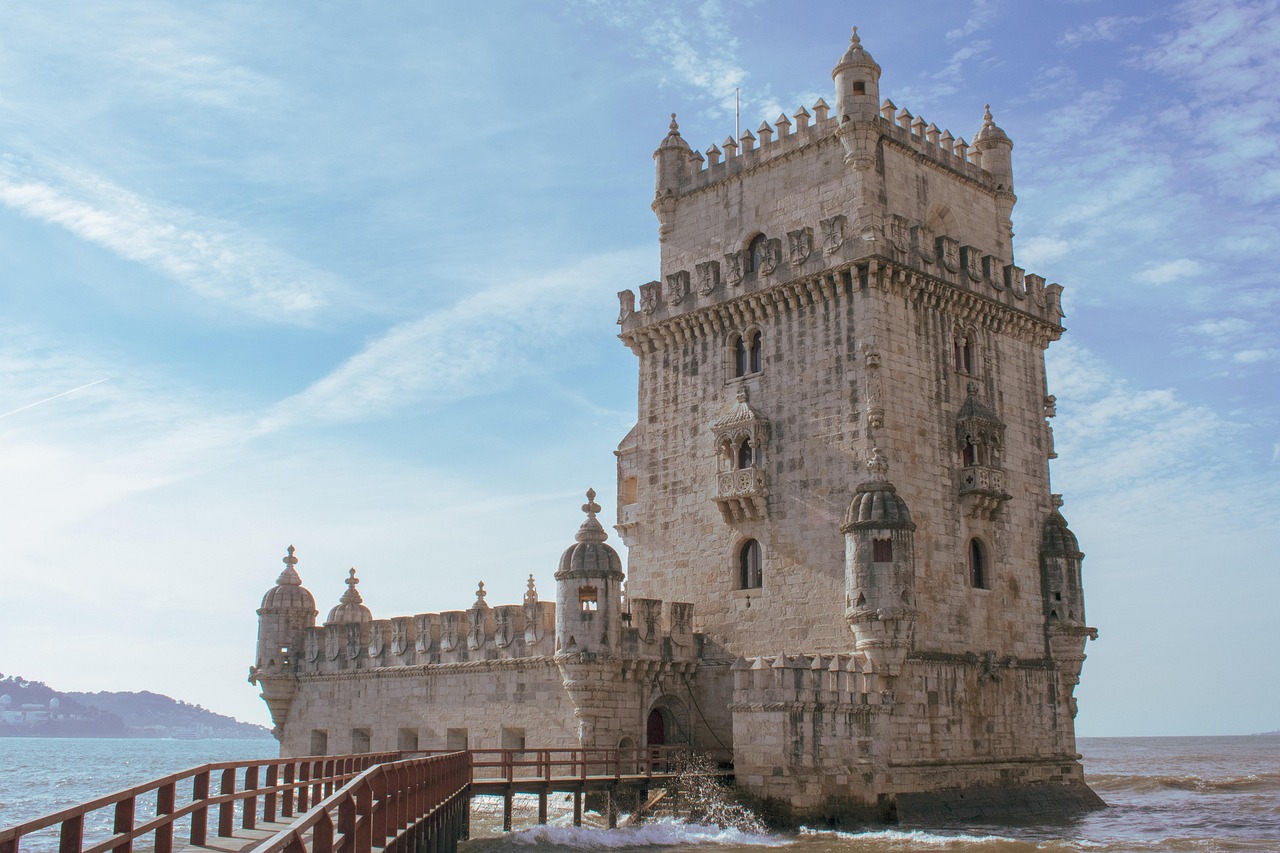
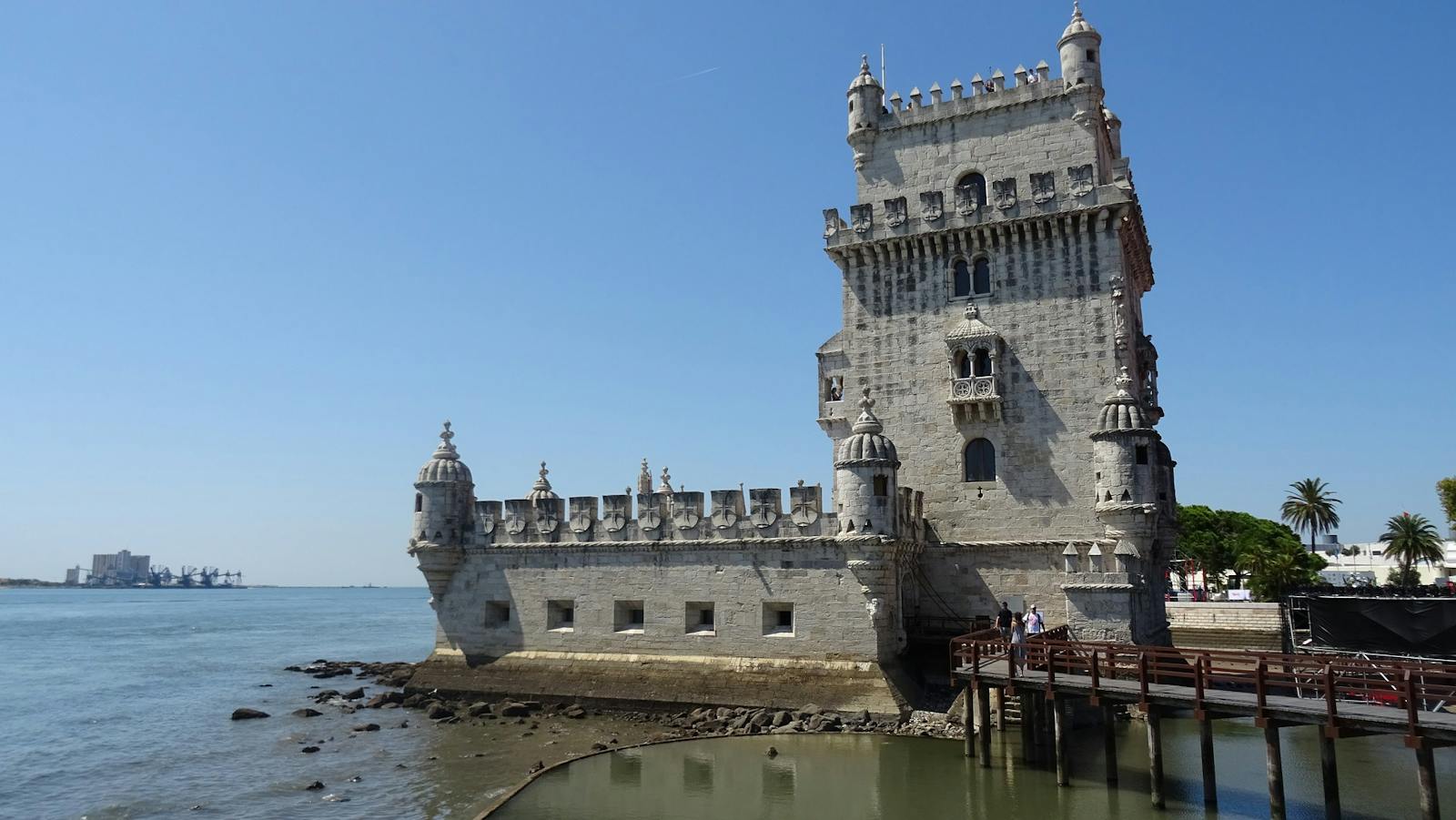
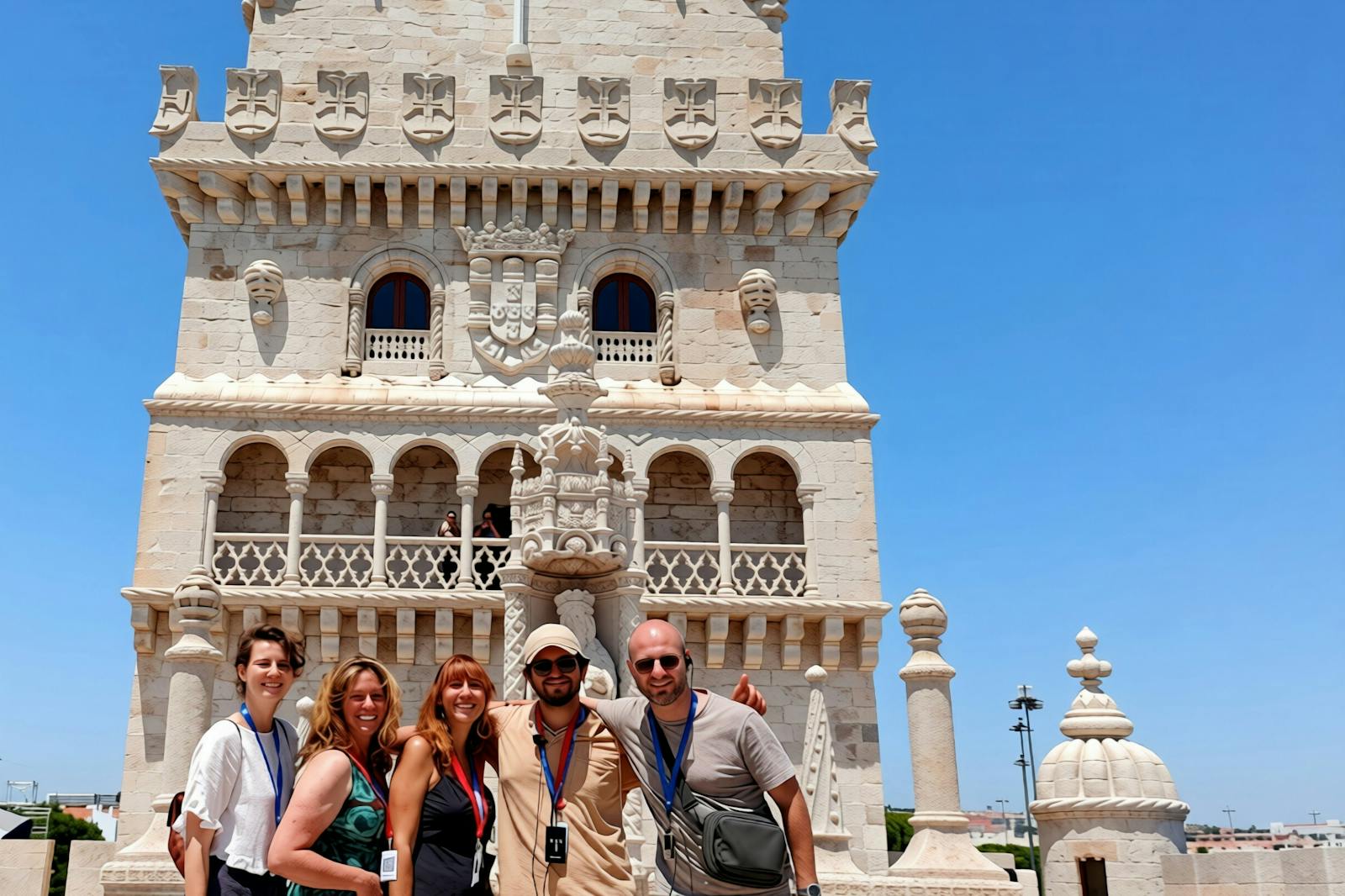
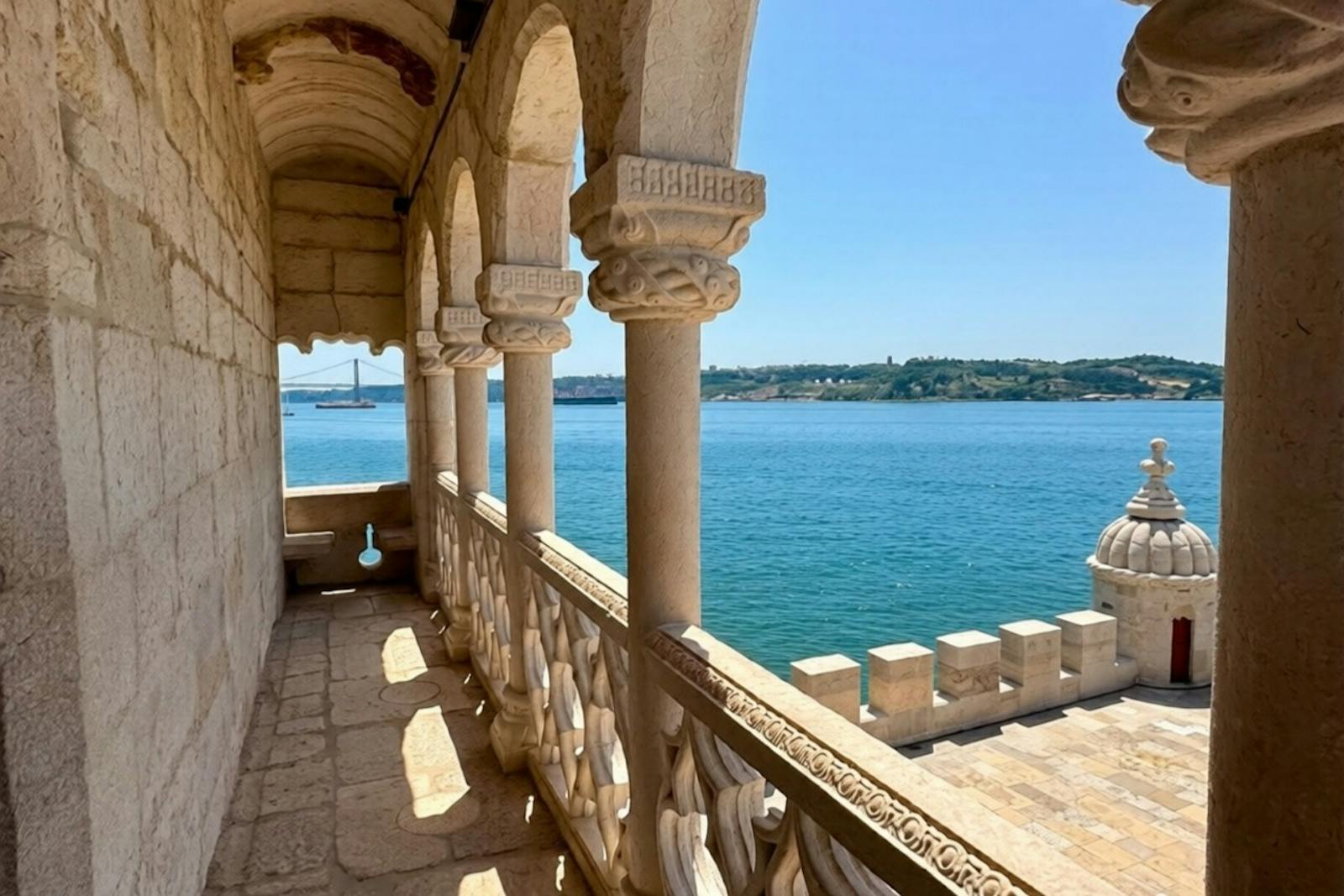
The architecture is distinguished by its arched turrets, sculpted balconies, and Renaissance loggia. The armillary sphere, a symbol of the Age of Discoveries, adorns the white facades made of Lioz marble. After 1580, the building served as a prison, with underground cells regularly flooded by river floods. A major restoration took place in the 1840s under Ferdinand II, adding neo-Manueline elements.
Classified as a UNESCO World Heritage Site in 1983 jointly with the Jerónimos Monastery, the tower remains a major testament to Portuguese maritime power. It perfectly illustrates the stylistic transition of the 16th century, where Eastern influence meets European aesthetics. Every detail, from cannon ports to windows, tells the story of a rising empire that connected Europe to distant trade routes.
Visit logistics and accessibility
Indoor capacity is strictly limited to 120 people simultaneously to preserve the site and ensure safety. A traffic light system regulates flow in the spiral staircase, which can cause waits even with a purchased ticket. Therefore, online timed reservation is essential to guarantee stress-free entry and optimize your time on site.
The site is closed on Mondays. For other days, it is recommended to arrive early in the morning or in the late afternoon to enjoy favorable lighting for photography and avoid peak crowds linked to cruise tourists. As the staircase is narrow and steep, closed and stable shoes are strongly recommended. People with reduced mobility should note that access is difficult due to the absence of a main elevator.
Combining with the Jerónimos Monastery is ideal as both sites are close and share UNESCO status. Allow approximately 30 to 45 minutes for the climb, terrace exploration, and descent. The fee starts at €15. There is no direct immediate parking, but public parking options exist nearby, or you can easily get there using trams and buses.
Recommended itinerary in Belém
For an efficient half-day, start with the Jerónimos Monastery at 09:00, then visit the Belém Tower at 10:30 with your reserved slot. Finish with a break at Pastéis de Belém to taste the famous pastéis de nata. This sequence allows you to appreciate the major monuments of the freguesia of Santa Maria de Belém without excessive haste.
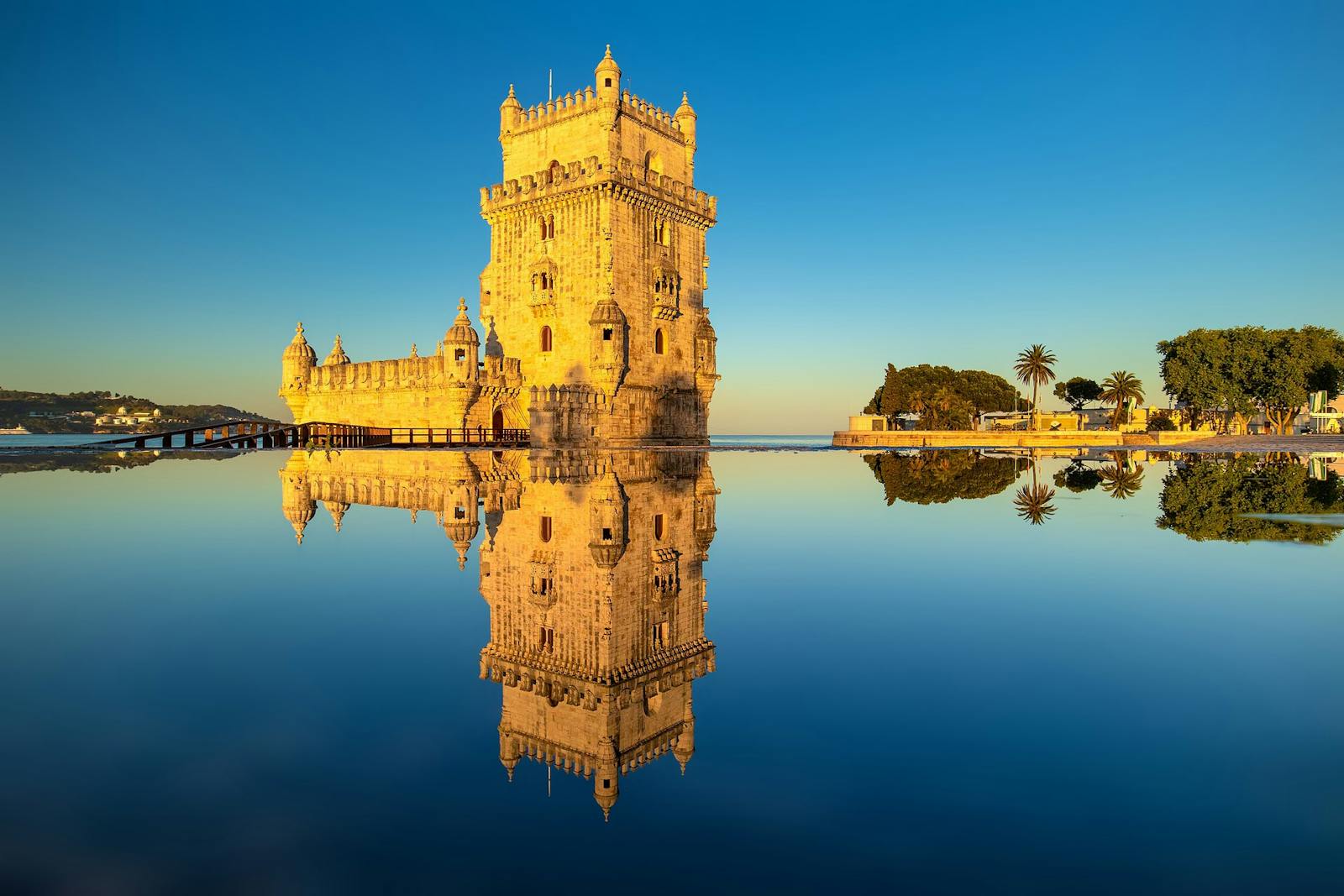
If you have a full day, integrate these visits into a broader discovery of Lisbon. Add the Caravel Museum to deepen the historical aspect of the discoveries. Lunch by the Tagus offers a stunning view of the tower. In the late afternoon, the golden light highlights the white facades against the sky, offering exceptional photographic conditions.
João M., a local guide native to Lisbon, emphasizes respecting the city's pace to appreciate these 16th-century gems. Do not overload your schedule: allow time to contemplate the architecture and imagine the caravels departing for the coasts of Guinea. This contemplative approach transforms a simple tourist visit into an immersive and memorable historical experience.
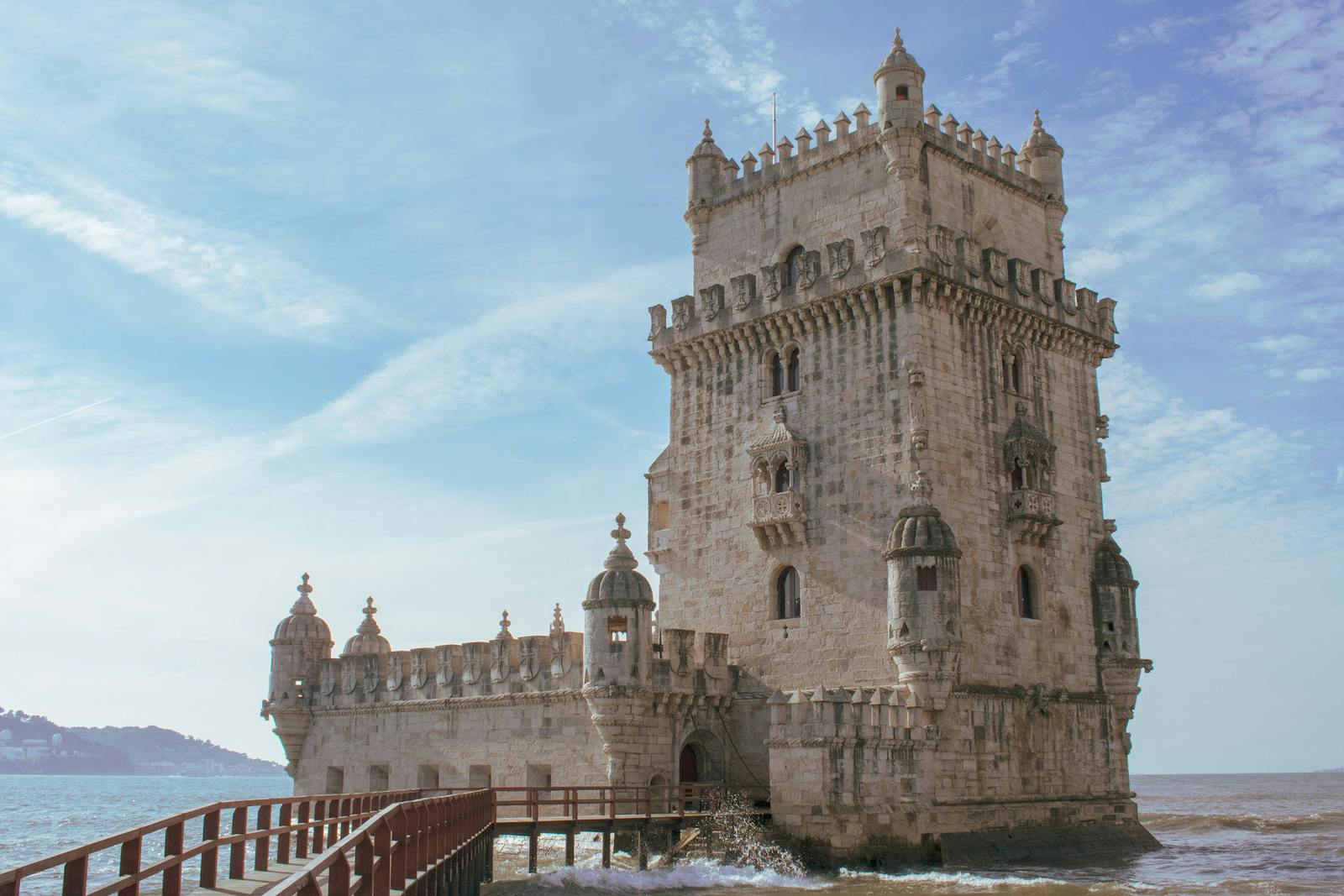


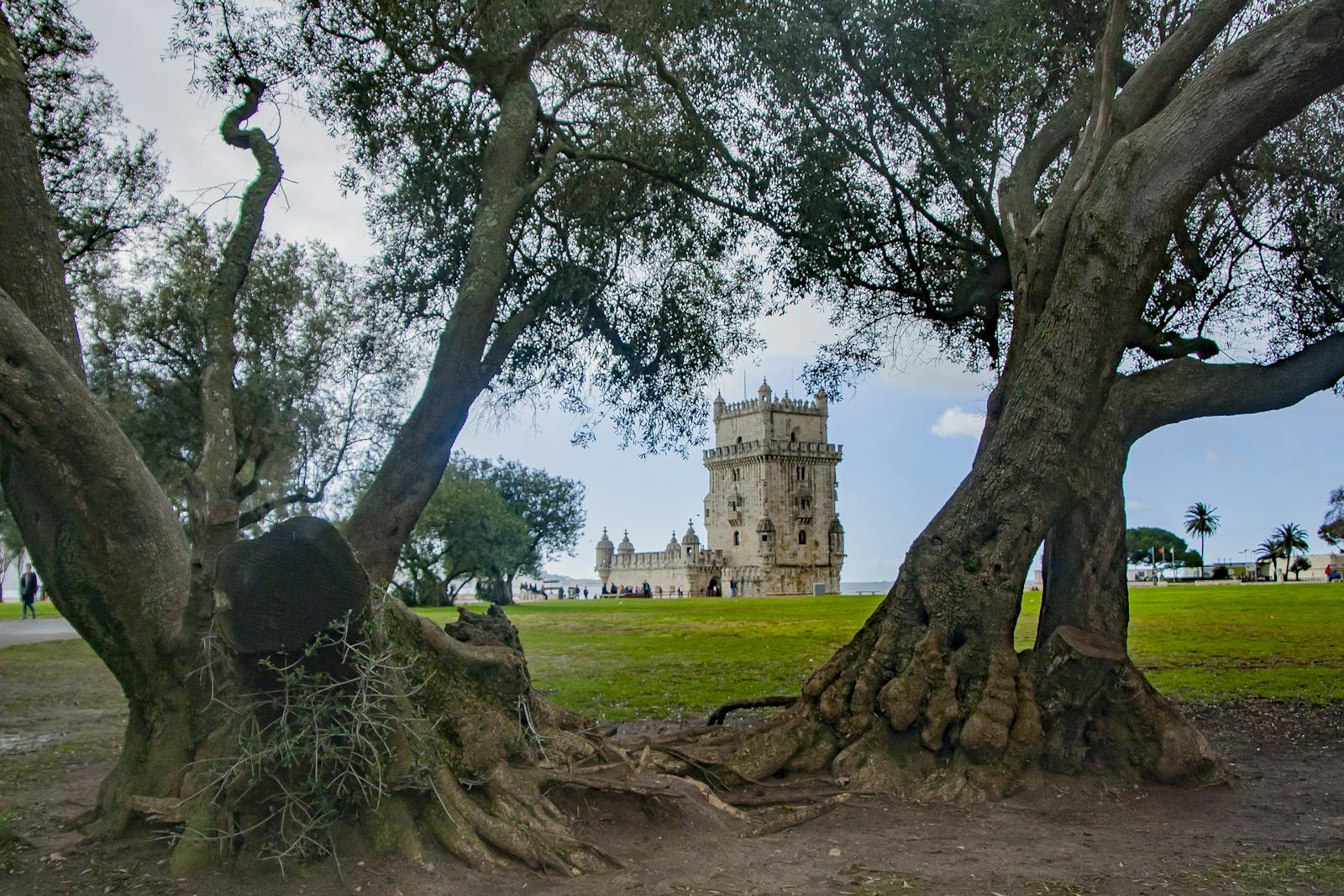
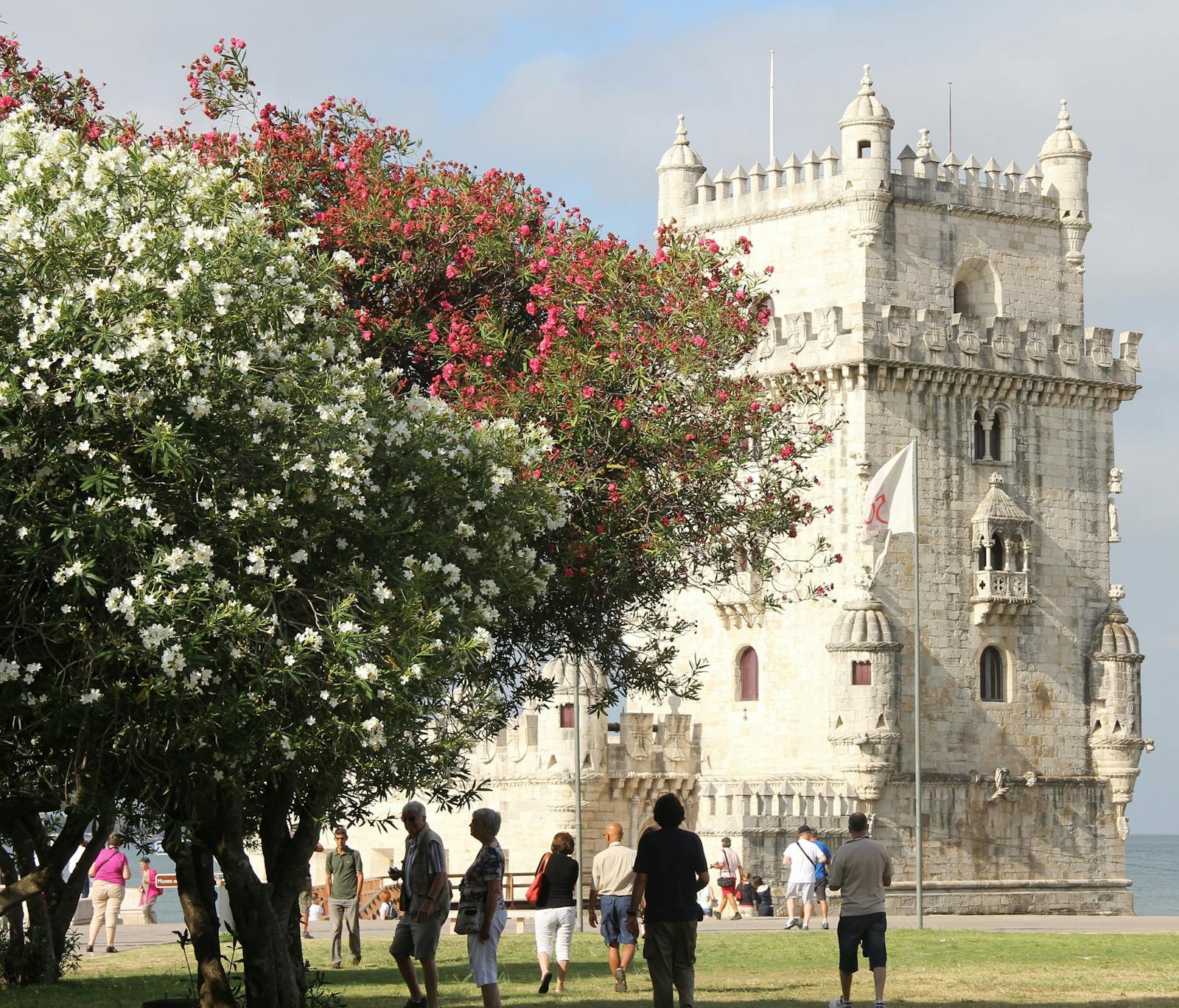
What awaits you at Belém Tower
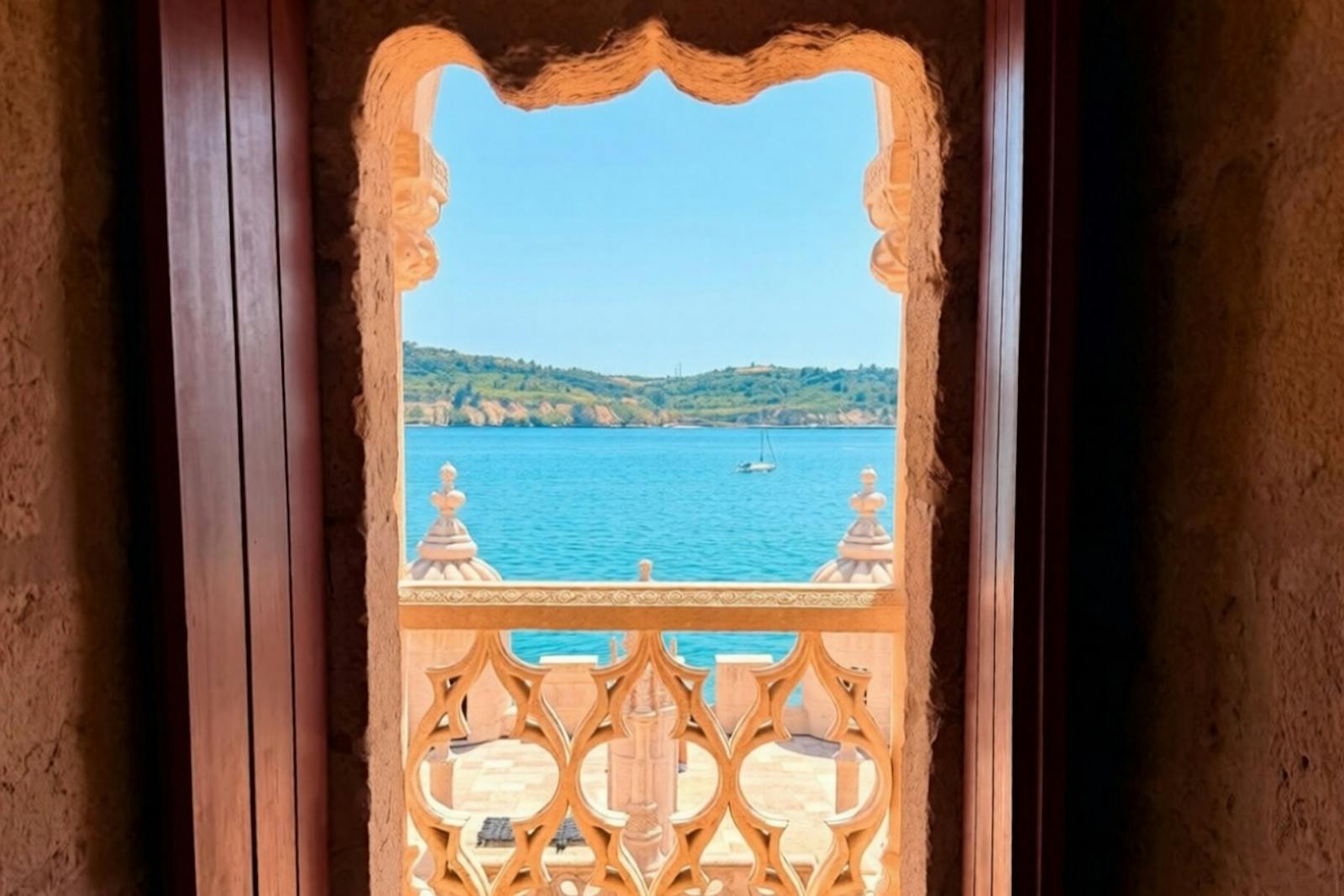
Manueline architecture and stunning views of the Tagus
Tips for visiting the Belém Tower
Insider tips
Manage the spiral staircase wait
Indoor capacity is strictly limited to 120 people at a time. A traffic light system regulates access to the narrow spiral staircase, causing waits even with a ticket. Allow extra time if you cannot book a specific time slot.
Timed reservation required
Online booking with a timed slot is essential to guarantee stress-free access. Without this precision, you risk waiting a long time at the entrance despite having a ticket. Always check the specific conditions of your chosen package before finalizing your purchase.
Smart combined itinerary
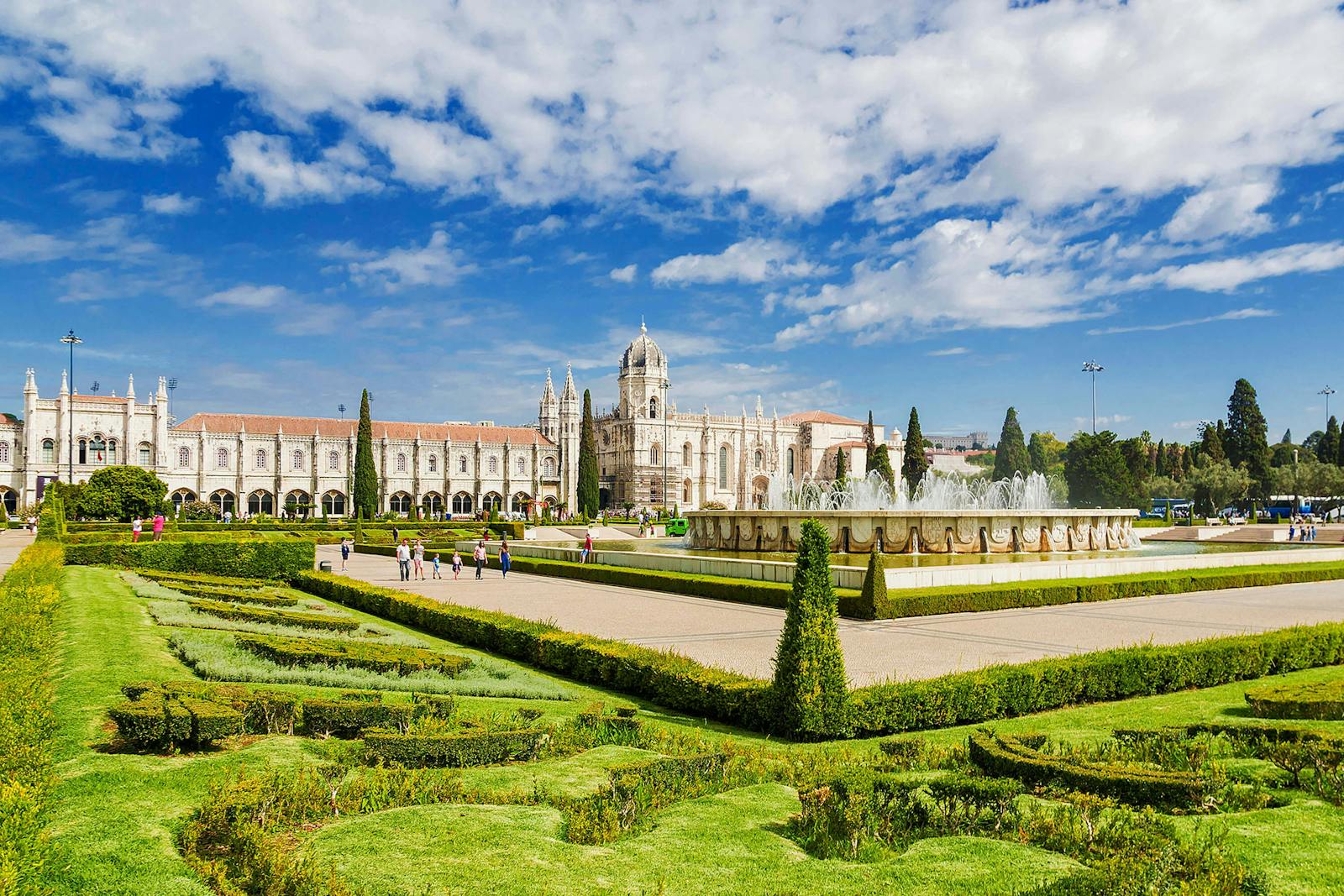
Always combine your visit to the Belém Tower with that of the Hieronymites Monastery. Located in close proximity in the Freguesia de Santa Maria de Belém, they form a cohesive ensemble. This combination allows you to fully appreciate the historical and architectural context of the 16th century.
Prepare your legs
The climb involves ascending several levels via a fairly narrow spiral staircase. The step spacing can be tight for taller visitors. It is advisable to wear comfortable, closed-toe shoes to ensure safe and stable progress throughout the ascent.
Optimal photographic lighting
Late afternoon offers the best natural light for photographing the white facades against the blue sky. Cast shadows accentuate the details of the bartizans and Manueline sculptures. Avoid midday hours when the high sun creates harsh contrasts that are difficult to manage.
Weather and visibility
Although the tower is covered, the upper terrace is exposed to the elements. In case of rain, the view over the Tagus will be misty, but the interior remains accessible. Check local weather before your trip to maximize the quality of the outdoor visit and panoramic photos available from there.
Travel in small groups
Since capacity is limited, coming in a small group greatly facilitates progress through the spiral staircase. Large groups often block the passage and delay other visitors. If you are in a large group, consider splitting into two teams to optimize waiting and visiting time.
Phone on airplane mode
In narrow indoor spaces, your mobile phone may have poor signal reception or unnecessarily drain the battery. Remember to turn on airplane mode or prepare your photos in advance. This also avoids sound interruptions in the staircase, where relative silence is appreciated by other visitors.
Did you know?
Little-known anecdotes
Maritime gateway
Built between 1514 and 1519, this strategic structure served to protect the entrance to Lisbon's port. It was the official departure point for caravels heading to India and China, marking the beginning of the Portuguese colonial empire.
Moorish influence
The bartizans and arched balconies testify to a strong Moorish art influence on 16th-century Portuguese architecture. This unique blend defines the Manueline style, distinctive and immediately recognizable by art history experts.
Floodable prison
After 1580, the tower was converted into a military prison. Its underground cells were regularly flooded by the Tagus floods, making detention particularly harsh for inmates until the site's restoration.
UNESCO Heritage
Inscribed on the UNESCO World Heritage List in 1983, the tower was listed jointly with the Jerónimos Monastery. This recognition highlights their outstanding universal value as witnesses to the peak of Portuguese maritime power under Manuel I.
Neo-Manueline restoration
Decorative elements were added during the restoration under Ferdinand II in the 1840s. These interventions modernized certain aspects while preserving the historical essence, which explains some slightly anachronistic architectural details observable today.
Armillary symbol
The armillary sphere, personal emblem of Manuel I, adorns the facades as a permanent reminder of the Age of Discovery. This astronomical and cosmographic symbol reflects the king's universalist vision and the naval primacy of his reign over the oceans.
Integrate the Belém Tower into your trip to Lisbon
Three itineraries depending on available time
Express historic Belém
- 09:00: Visit the Jerónimos Monastery (timed reservation essential).
- 10:30: Access the Belém Tower via your reserved slot to avoid waiting for the spiral staircase.
- 11:30: Snack break at Pastéis de Belém, an unmissable institution in the city since 1837.
- 12:30: Stroll along the Tagus quays to admire the exterior of the fortress.
Complete discovery of Belém
- 09:00: Immersion in the Jerónimos Monastery, a masterpiece of Manueline style.
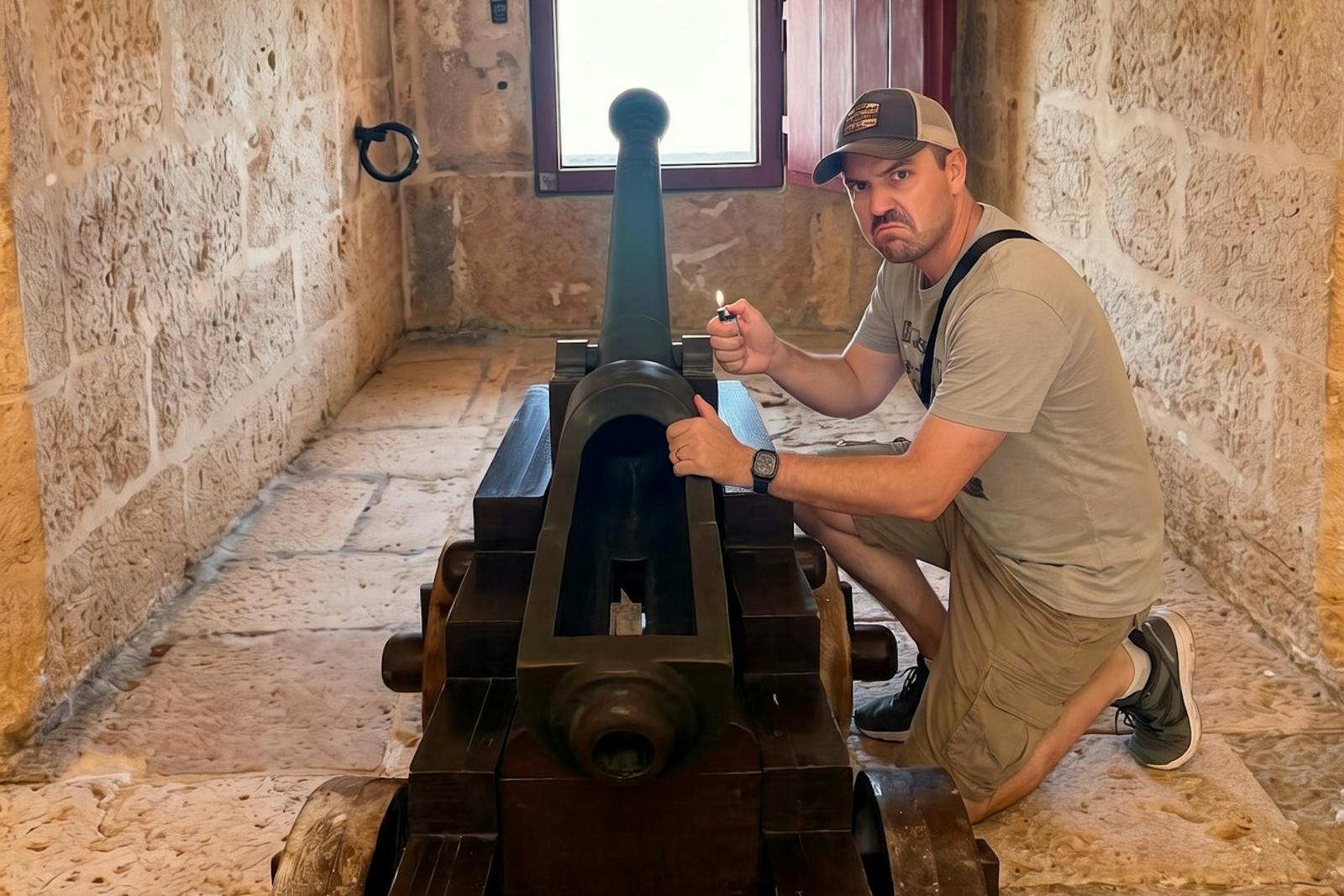
- 10:30: Climb the Belém Tower to discover the cannon room and the terrace.
- 12:00: Lunch by the Tagus at a local restaurant in the Freguesia de Santa Maria de Belém.
- 14:00: Visit the Caravel Museum to delve deeper into Portuguese maritime history.
- 16:00: Return to the city center via tram 15E to reach Baixa.
Lisbon & its wonders
- Day 1: Alfama, Castelo de São Jorge and Miradouro da Graça for a total panoramic view.
- Day 2: Morning dedicated to Belém (Jerónimos + Belém Tower) and the Caravel Museum.
- Day 3: Chiado, Baixa and Praça do Comércio to conclude with the administrative heart of the city.
Entry ticket for the Belém Tower and Jerónimos Monastery

Enjoy free entry to major attractions and discounts at various points of interest.
From 34 €
See also
More must-see experiences in Lisbon
Interactive map
Find the attraction and nearby places to visit
Near Belém Tower
Make time to explore the surrounding area
Pastéis de Belém
10 min walk
Local institution famous for its hot pastéis de nata, perfect after the physical effort of the climb.
Caravel Museum
15 min walk
Reconstruction of a Portuguese caravel, ideal for extending the immersion into the Age of Discovery.
Time Out Market
20 min walk
Modern food hall offering a view of the Tagus, perfect for a varied lunch after the historical visit.
Belém Gardens
5 min walk
Pacific green space along the river, ideal for a relaxing break before heading back to the center.
Pavilion of the Constable
8 min walk
Former residence of the Grand Masters of the Order of Christ, a testament to the military power of the era.
How to get to the Belém Tower
Estimated travel times from the main points in the city
Metro : Princesa Square (5 min walk) Bus : Princesa Square (5 min walk)
- From Lisbon-Santa Apolónia Station 8,5 km → 26 min
- From Lisbon Oriente Station 13,2 km → 38 min
- From Belem 1,7 km → 10 min
- From Sete Rios 6,9 km → 23 min
- From Rossio 7,2 km → 23 min
- From Lisbon Santa Apolónia Station 8,5 km → 42 min
- From Lisbon Oriente Station 13,2 km → 61 min
- From Belem 1,7 km → 15 min
- From Sete Rios 6,9 km → 36 min
- From Rossio 7,2 km → 37 min
- From Lisbon Santa Apolónia Station 8,5 km → 31 min
- From Lisbon Oriente Station 13,2 km → 47 min
- From Belem 1,7 km → 9 min
- From Sete Rios 6,9 km → 26 min
- From Rossio 7,2 km → 27 min
- From Lisbon Santa Apolónia Station 8,5 km → 41 min
- From Lisbon Oriente Station 13,2 km → 63 min
- From Belem 1,7 km → 10 min
- From Sete Rios 6,9 km → 34 min
- From Rossio 7,2 km → 35 min
- From Belem 1,7 km → 21 min
Accommodation
Find a hotel near Belém Tower
Frequently asked questions
Everything you need to know before your visit
Booking
Visit
Practical Info
Accessibility
Belém Tower on video
A preview of this exceptional place before your visit
Belém Tower in pictures
See what to expect during your visit